How to Get Picky Eaters to Try Vegetables
Practical, low-pressure ways to help picky eaters try vegetables: repeated exposure, small portions, dips, cooking together and keeping meals calm.
- 3 min read
- Guide
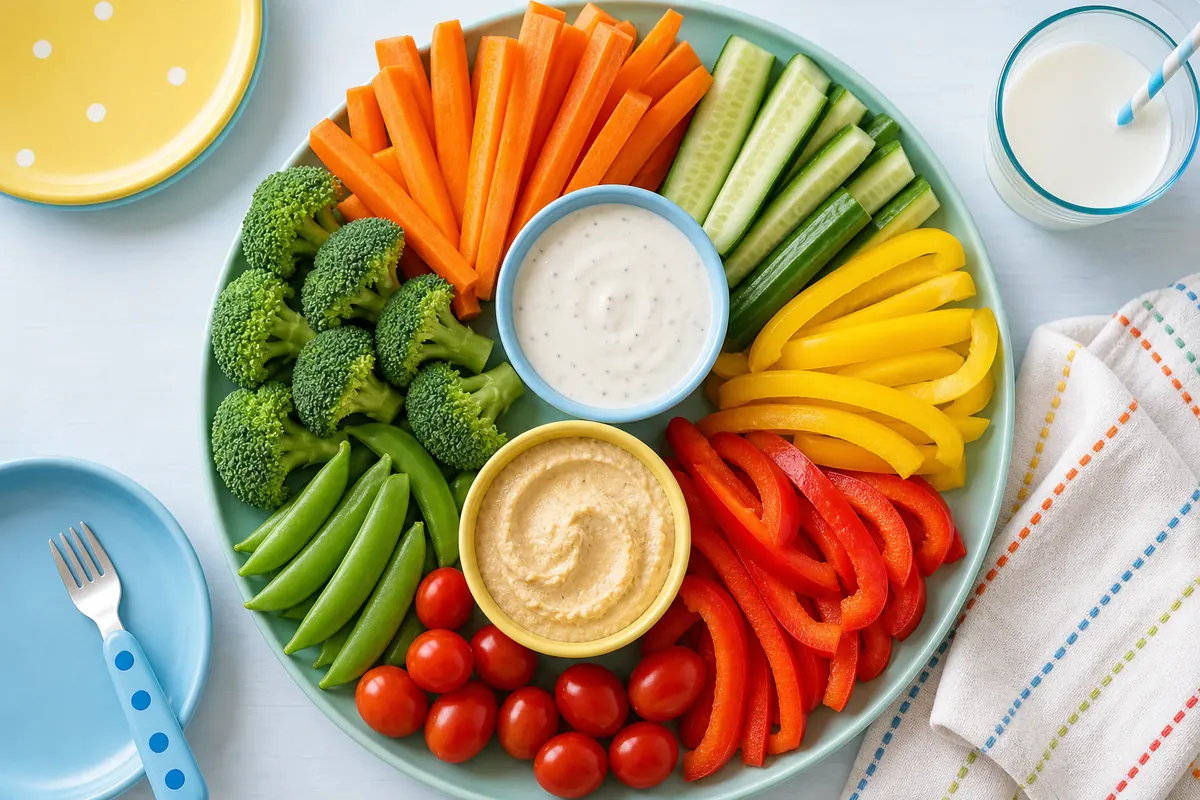
Almost every parent has been there. You cook a lovely dinner, set it on the table and watch your child push the broccoli to the edge of the plate as if it might bite. Picky eating is very common in young children, and for most kids it is a normal phase rather than a sign that something is wrong.
The good news is that tastes do change over time. The strategies below are not tricks to force vegetables into children. They are ways to make vegetables familiar, so that one day the broccoli gets eaten without a battle.
Exposure is the long game
Children often need to encounter a new food many times before they accept it. That means seeing it, smelling it, touching it and tasting a tiny bit, again and again. Many parents give up after two or three refusals, but it can take far more attempts than that before a new vegetable feels safe.
Keep offering vegetables regularly, even if they are not eaten. Put a small amount on the plate without comment. Over time, a food that was once strange becomes just another part of dinner.
Small portions, low pressure
A huge pile of green beans can feel overwhelming to a child. Start with one or two pieces. Avoid bribes such as "eat your peas and you can have dessert," since this teaches children that vegetables are something to get through rather than something to enjoy. Equally, praising every bite can add pressure. A calm, neutral approach usually works better.
Serve at least one food you know your child likes at every meal. That way, they will not leave the table hungry, and the new food is less of a threat.
Change the texture or shape
Sometimes the problem is not the flavor but the texture. A child who refuses soft, boiled carrots might love raw carrot sticks or roasted carrot fries. Try different methods:
- Roasting brings out the natural sweetness in vegetables like cauliflower, squash and Brussels sprouts.
- Raw and crunchy works for cucumber, peppers, snap peas and carrots.
- Blended vegetables can go into soups, sauces or smoothies.
- Fun shapes using a cookie cutter or spiralizer can make vegetables more appealing.
The power of dips
Dips give children some control, and many kids are more willing to try a new food if they can dunk it in something familiar. Hummus, yogurt with herbs, guacamole, or even a little ranch dressing can make raw vegetables much more appealing. Over time, you can reduce the amount of dip.
Get them in the kitchen
Children who help grow, buy or cook vegetables are often more curious about eating them. Let your child choose a new vegetable at the grocery store or farmers' market. Give them tasks such as washing lettuce, snapping green beans or stirring a sauce. Even a small herb pot on the windowsill can spark interest.
Eat together and model it
Kids learn by watching. If they see parents and older siblings enjoying vegetables, they are more likely to try them too. Family meals, where everyone eats the same food at the same table, are one of the most effective ways to shape eating habits over time.
Know when to ask for help
Most picky eating is harmless, but talk to your pediatrician if your child is losing weight, has very few accepted foods, gags or vomits often during meals, or if mealtimes are causing serious distress. A doctor or registered dietitian can offer guidance that fits your child.
Above all, be patient. A relaxed atmosphere at the table does more for a child's relationship with vegetables than any single trick ever could.