Meal Planning for a Family of Four, Step by Step
A realistic weekly meal planning method for a family of four: theme nights, smart shopping lists, prep sessions and leftovers that save time and money.
- 3 min read
- Guide
Meal planning has a reputation for being something only very organized people do, complete with color-coded spreadsheets and matching glass containers. In reality, it can be as simple as deciding on Sunday what you will eat on Tuesday. That one decision removes a surprising amount of stress from the week.
This method suits a household of two adults and two children. It takes about half an hour once a week and can cut down both grocery bills and the number of last-minute takeout orders.
Start with the calendar, not the cookbook
Before you think about recipes, look at the week ahead. Which nights have soccer practice, late meetings or music lessons? Those are your quick-dinner nights, and they need meals that take 20 minutes or come out of the freezer. Quieter evenings are the ones for something that simmers or bakes.
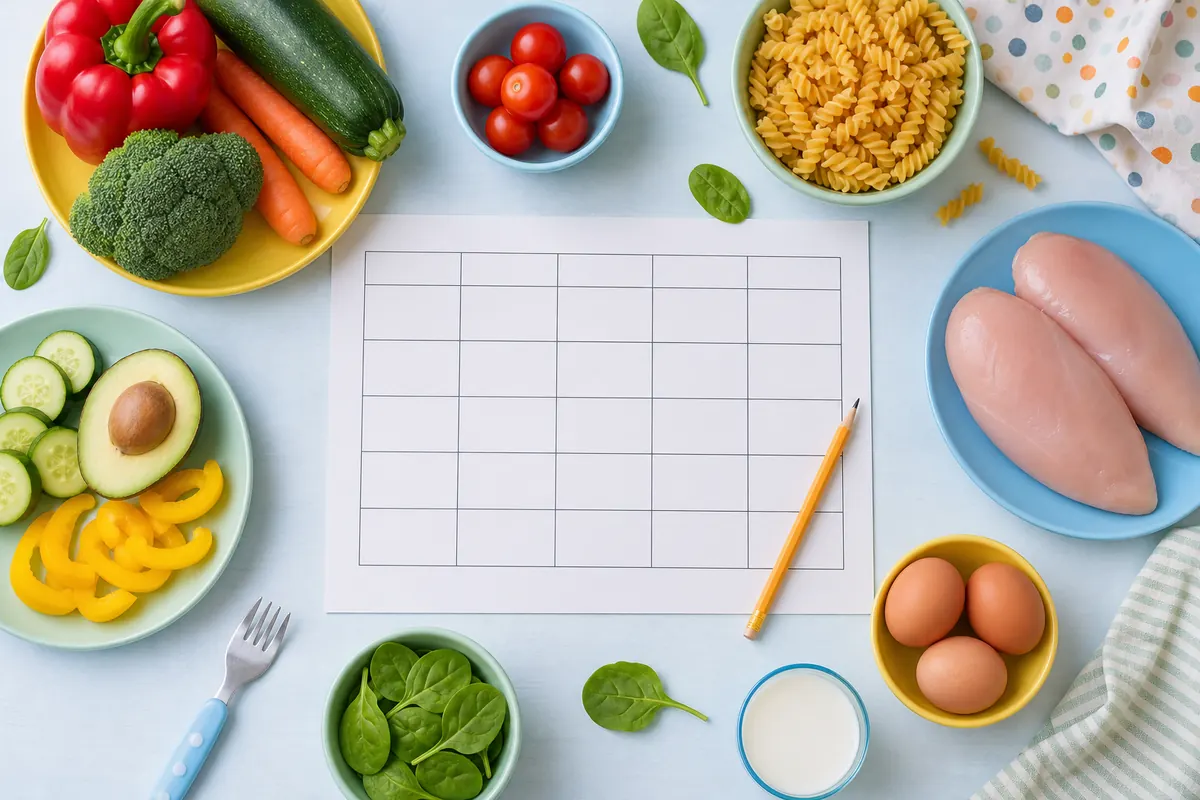
Write the week down in a simple grid, one line per day, with a note about how much time you will have. Planning around your real schedule is what makes a plan stick.
Use theme nights
Theme nights take most of the decision-making out of the process. A typical week might look like this:
- Monday: pasta night
- Tuesday: tacos, wraps or anything in a tortilla
- Wednesday: soup and sandwiches
- Thursday: a dish from somewhere new
- Friday: homemade pizza or a fun "build your own" dinner
- Saturday: a slower recipe or a family favorite
- Sunday: a roast or big batch with planned leftovers
The themes are loose. Pasta night could be a quick tomato sauce one week and a baked pasta the next. The structure simply narrows the options so you are not starting from scratch every time.
Cook once, eat twice
Planned leftovers are the single biggest time-saver. Roast a large chicken on Sunday, and use the leftover meat in wraps on Tuesday. Make a double batch of chili, serve it once and freeze the rest. Cooked rice can become fried rice two days later. Each of these shortcuts means one fewer meal to cook from the beginning.
Write the shopping list from the plan
Once the meals are chosen, go through each recipe and list the ingredients you need. Then check the fridge, freezer and pantry before you shop. Group the list by store section, such as produce, dairy, meat and dry goods, so you are not running back and forth across the store.
Keep a running list on the fridge or in your phone for staples that run out during the week. When someone uses the last of the milk or the peanut butter, they add it to the list. Older kids can take on this job.
A short prep session
Spending an hour on the weekend washing and chopping vegetables, cooking a pot of grains or making a sauce saves a lot of time on busy evenings. You do not need to prepare every meal in advance. Even having onions chopped and a container of washed lettuce in the fridge makes a difference.
Let the kids help choose
Give each child one dinner a week to pick, within reason. They are more likely to eat a meal they chose, and they start to learn how a balanced dinner is put together. Some families keep a jar of favorite meal ideas written on slips of paper, and the kids draw one each week.
Keep it flexible
Plans change. Someone gets sick, a friend invites you over, or you are simply too tired to cook. Leave one night unplanned for leftovers or a simple backup like eggs on toast, and do not worry about swapping meals around. The goal is not perfection. It is fewer nights standing in front of an open fridge wondering what to make.