Freezer-Friendly Batch Cooking for Busy Weeks
How to batch cook family meals for the freezer: which dishes freeze well, how to cool, pack and label them safely, and how to thaw and reheat them properly.
- 3 min read
- Guide
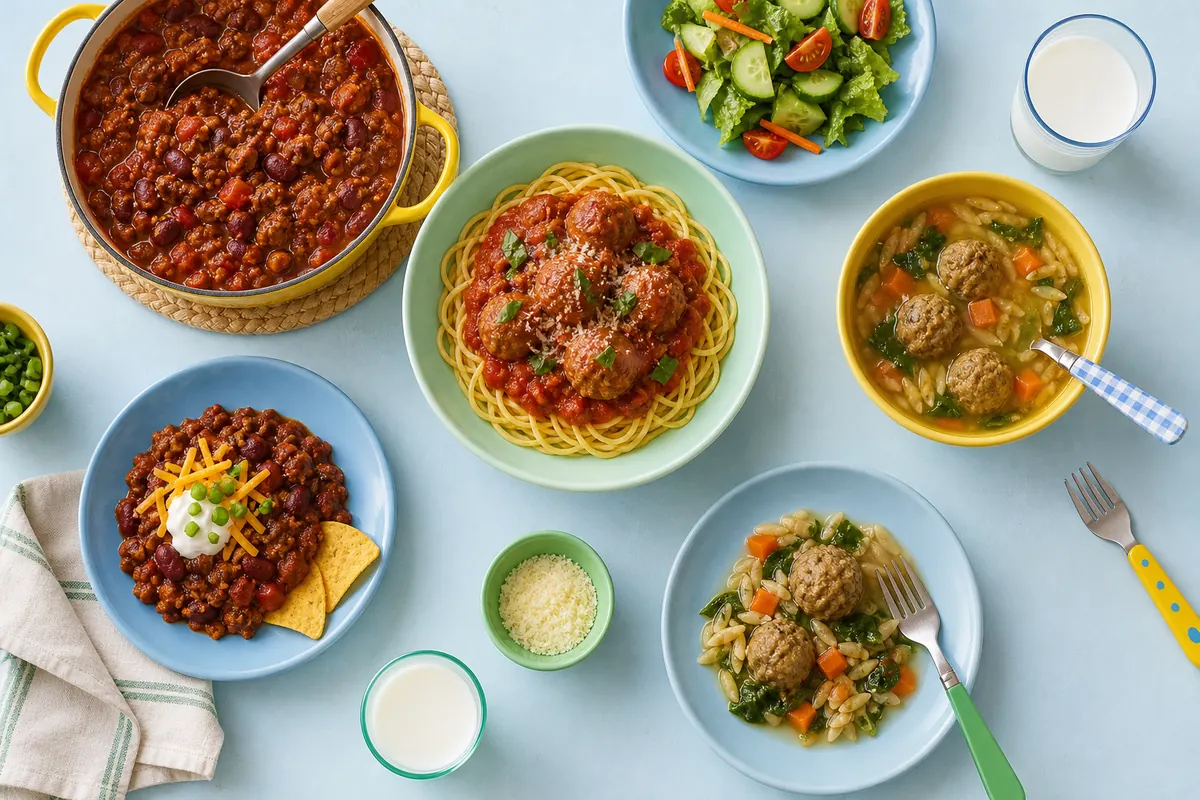
There is a particular kind of relief in opening the freezer on a hectic evening and finding a homemade dinner waiting. Batch cooking for the freezer takes a bit of effort up front, but it pays off for weeks afterward, especially during busy seasons like the holidays or the first weeks back at school.
You do not need to give up a whole weekend. Making a double portion of whatever you are cooking anyway is the simplest way to start building a stash.
What freezes well
Some dishes are practically made for the freezer:
- Soups and stews: lentil soup, chili, beef stew and minestrone, though pasta is best added fresh.
- Sauces: tomato sauce, Bolognese and curry bases.
- Casseroles and bakes: lasagna, cottage pie and enchiladas.
- Meatballs and patties: cooked or raw, frozen in a single layer first.
- Baked goods: muffins, pancakes, bread and cookie dough.
And what does not
Not everything survives the freezer. Raw salad greens, cucumber and other watery vegetables turn limp. Cooked potatoes in soups can become grainy, though mashed potato toppings freeze fine. Hard-boiled eggs go rubbery. Dairy-based sauces sometimes separate, so it helps to add cream or milk when reheating rather than before freezing. Fried foods lose their crunch, unless you reheat them in an oven or air fryer.
Cool it quickly
Food safety starts before the freezer. Hot food should be cooled quickly, ideally within two hours, to limit bacterial growth. Divide large batches into shallow containers so they cool faster. A pot of soup can be set in a sink of cold water and stirred to bring the temperature down. Once cooled, freeze it right away.
Pack it smart
Use airtight containers or heavy freezer bags, and remove as much air as possible to prevent freezer burn. Bags can be laid flat to freeze, then stacked like books, which saves a lot of space. Leave a little room at the top of rigid containers for liquids, as they expand when frozen.
Portion food into sizes that make sense for your family. A family-size container for dinner and a few single portions for lunches or for the child who eats at a different time gives you more flexibility.
Label everything
Every container should have the name of the dish and the date it was frozen. It is easy to think you will remember what is in that container, but a few weeks later every frozen sauce looks the same. Masking tape and a marker work well. Some families also keep a list on the freezer door and cross off meals as they are used.
How long does it last?
Food kept at 0°F stays safe indefinitely, but quality declines over time. Most cooked dishes such as soups, stews and casseroles taste best if eaten within two to three months. After that, the texture and flavor may suffer, even though the food is still safe to eat.
Thawing and reheating
The safest way to thaw frozen food is overnight in the fridge. For quicker thawing, place a sealed bag in cold water, changing the water every 30 minutes, or use the defrost setting on your microwave. Do not thaw food on the counter at room temperature.
Reheat leftovers until they are steaming hot all the way through, reaching 165°F. Soups and sauces can be reheated straight from frozen in a pot over low heat, stirring often.
A simple batch session
If you want to try a dedicated batch-cooking afternoon, choose three recipes that use similar ingredients, such as a tomato sauce, a chili and a batch of meatballs. Chop all the onions and garlic at once, cook the dishes side by side, and you will end the day with a freezer full of dinners for the weeks ahead.