Family Cooking on a Budget Without Boring Meals
Feed your family well on a tight budget: affordable staples, smart shopping habits, cheap protein ideas and ways to cut waste without eating the same meals.
- 3 min read
- Guide
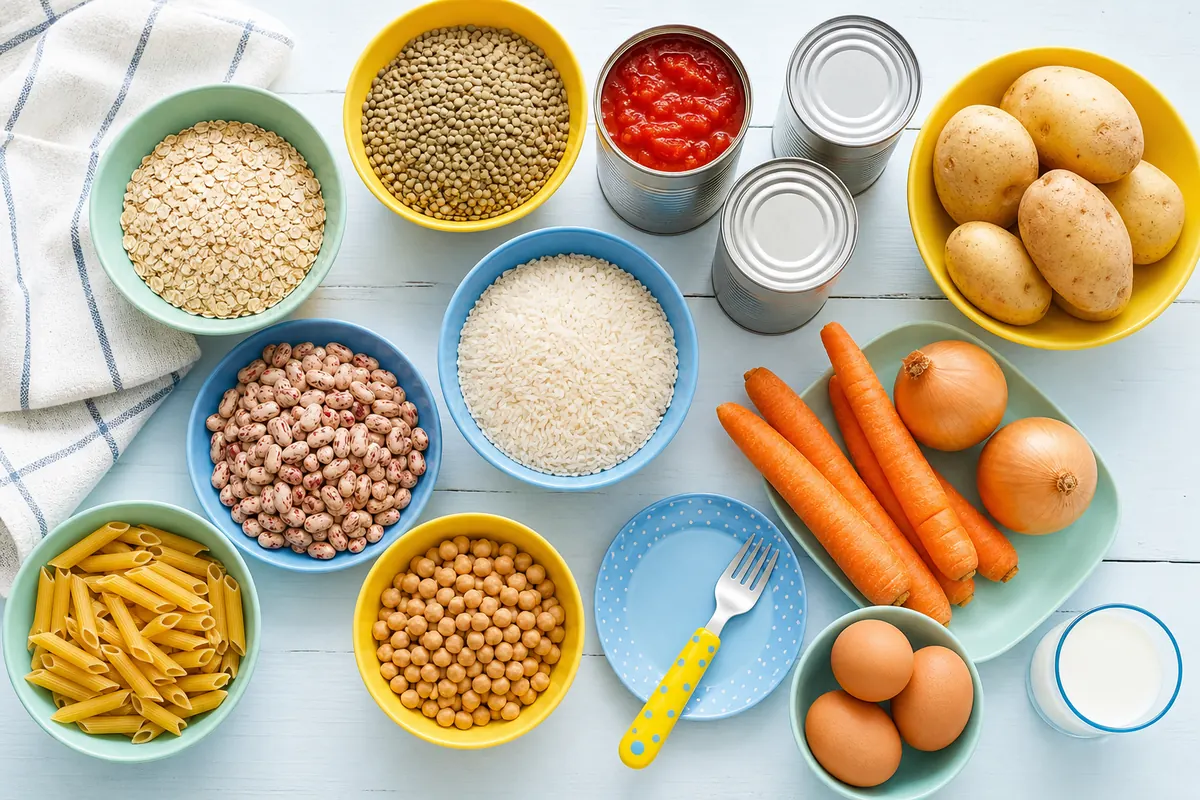
Feeding a family well does not have to cost a fortune. Some of the best-loved dishes in the world, from Italian pasta e fagioli to Indian dal and Mexican rice and beans, were created by home cooks making the most of inexpensive ingredients. Cooking on a budget is less about giving things up and more about knowing where your money goes.
Build a budget-friendly pantry
A well-stocked pantry is the foundation of cheap, quick meals. Keep a supply of these staples, and you will always be able to put something together:
- Dried or canned beans, lentils and chickpeas
- Rice, oats, pasta and flour
- Canned tomatoes and tomato paste
- Onions, garlic, carrots and potatoes, which keep well
- Eggs
- Frozen vegetables, such as peas, corn, spinach and mixed vegetables
- Spices like cumin, paprika, cinnamon and dried herbs
Buying these in larger packages is usually cheaper per serving, as long as you will use them before they go stale.
Rethink protein
Meat is often the most expensive part of a meal. You do not have to cut it out, but you can stretch it. Use half the usual amount of ground beef in a chili and add a can of beans. Mix lentils into a Bolognese sauce. Buy a whole chicken instead of pieces and use the leftover bones to make broth.
Eggs, beans and lentils are among the most affordable sources of protein. A frittata, a pot of lentil soup or a tray of baked beans on toast can feed a family for very little.
Shop smarter
Make a list based on your meal plan and stick to it. Shopping without a list is one of the easiest ways to overspend. Compare unit prices on shelf labels rather than the package price, as larger packages are not always cheaper. Store brands are often just as good as name brands for basics like flour, canned tomatoes and frozen vegetables.
Seasonal fruits and vegetables are usually cheaper and taste better. Frozen produce is a great alternative when fresh options are expensive, and it is frozen soon after harvest, so it keeps its nutrients well.
Waste less
Food that ends up in the trash is money thrown away. A few habits help:
Check before you shop. Look in the fridge and freezer first and plan meals around what needs using up.
Store food properly. Keep herbs in a glass of water, store bread in the freezer if you will not finish it, and learn which fruits should be kept apart.
Use leftovers creatively. Stale bread becomes breadcrumbs or French toast. Wilting vegetables go into soups, frittatas or fried rice. Overripe bananas become muffins or banana bread.
Cook from scratch, but keep it simple
Ready meals and pre-cut ingredients cost more. Cooking from scratch is cheaper, but it does not need to be complicated. A pot of soup, a tray of roasted vegetables with sausages or a big pan of fried rice takes little effort and feeds a crowd.
Five cheap family dinners
- Lentil and vegetable soup with crusty bread
- Pasta with tomato sauce and white beans
- Vegetable fried rice with scrambled eggs
- Bean and cheese quesadillas with salsa
- Potato and onion omelet, like a Spanish tortilla
Budget cooking gets easier with practice. Start with one or two changes, see what works for your family and build from there. The savings add up faster than you might expect.